 English EN


Bovine gelatin pros and cons everyone should know
Bovine gelatin offers strong gelling and health benefits but has dietary, ethical, and allergen concerns. Compare bovine gelatin to other gelatin options here.
MoreSuccessfully converting gelatine leaves to gelatin powder is essential for achieving the correct texture and setting in desserts, jellies, and other culinary applications. The fundamental principle is that one gelatine leaf (typically weighing about 2 grams) is generally equivalent to one teaspoon (approximately 3 grams) of powdered gelatin. However, this is a starting point, as leaf weights can vary by region. For precise conversion, it's best to work by weight: most professionals agree that 8 grams of gelatine leaves equals 7 grams of gelatin powder. The process also differs. Gelatine leaves must be soaked in cold water to soften (bloomed), then squeezed and dissolved in warm liquid. Gelatin powder is also bloomed in a small amount of cold water before being dissolved. When substituting, remember that leaf gelatin often yields a clearer, more odorless result, while powder can be more convenient. To convert a recipe calling for, say, 4 gelatine leaves to gelatin powder, you would use about 4 teaspoons or roughly 12 grams of powder, but always adjust based on your specific brand's strength. Understanding this conversion from gelatine leaves to gelatin powder ensures your mousses, panna cottas, and glazes set perfectly every time, regardless of the form you have on hand.
We provide you with comprehensive foreign trade solutions to help enterprises achieve global development
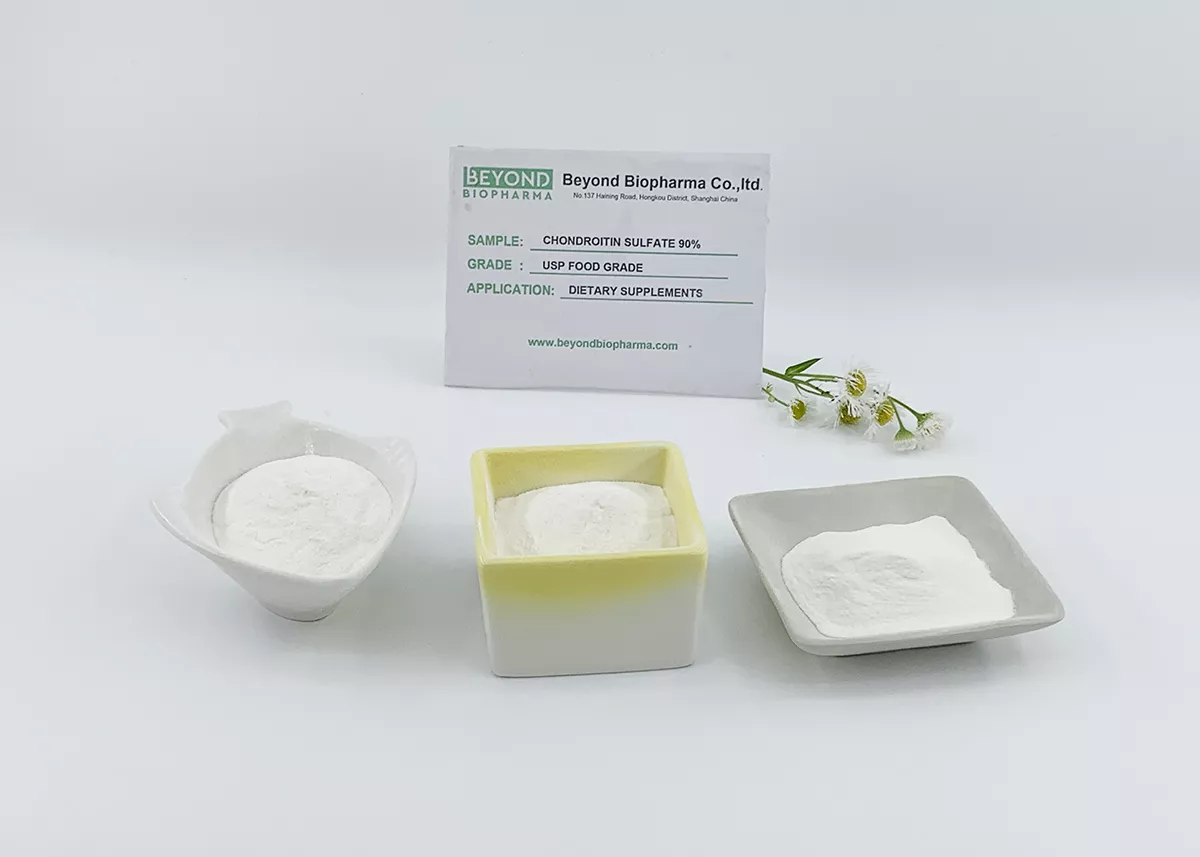
High Purity and Efficacy for Joint Health Formulations
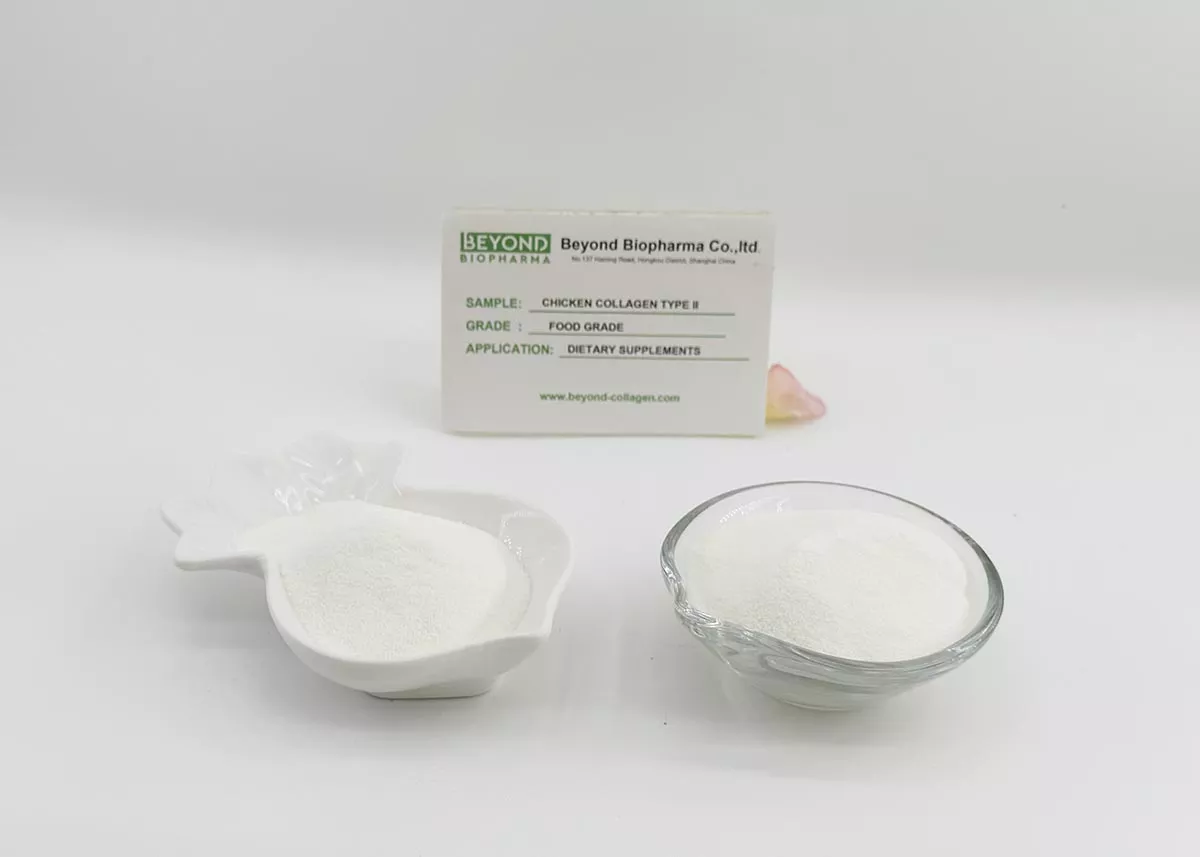
BEYOND BIOPHARMA is a specialized manufacturer of highly purified Hydrolyzed Collagen Type II. Through advanced enzymatic hydrolysis, we create low-molecular-weight collagen peptides that are highly bioavailable, offering foundational nutritional support for cartilage repair, joint function, and skin health. Our product is designed for rapid absorption and maximum efficacy in oral supplements.
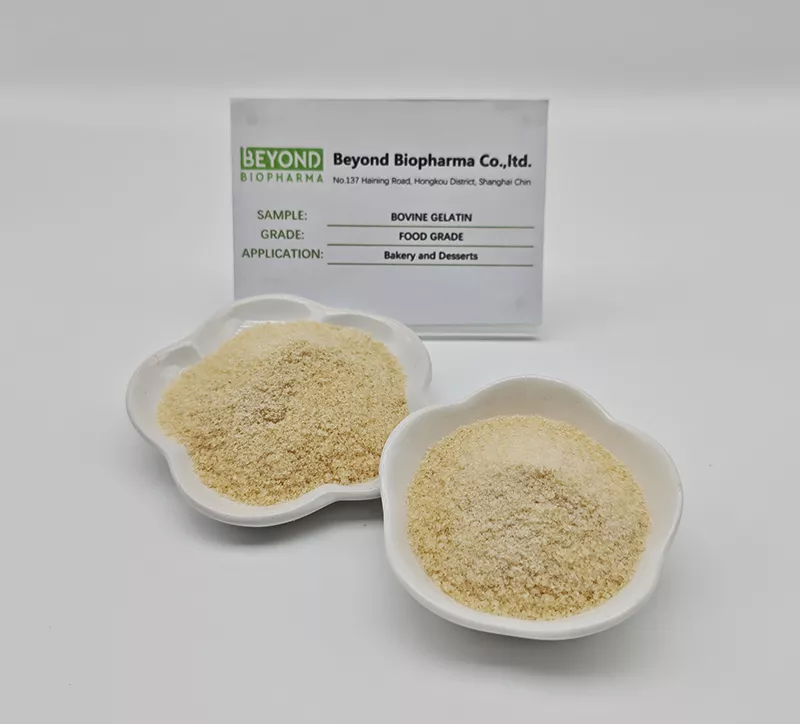
20 years experiences, 5000 ton/year capacity, Sustained supply with stable quality
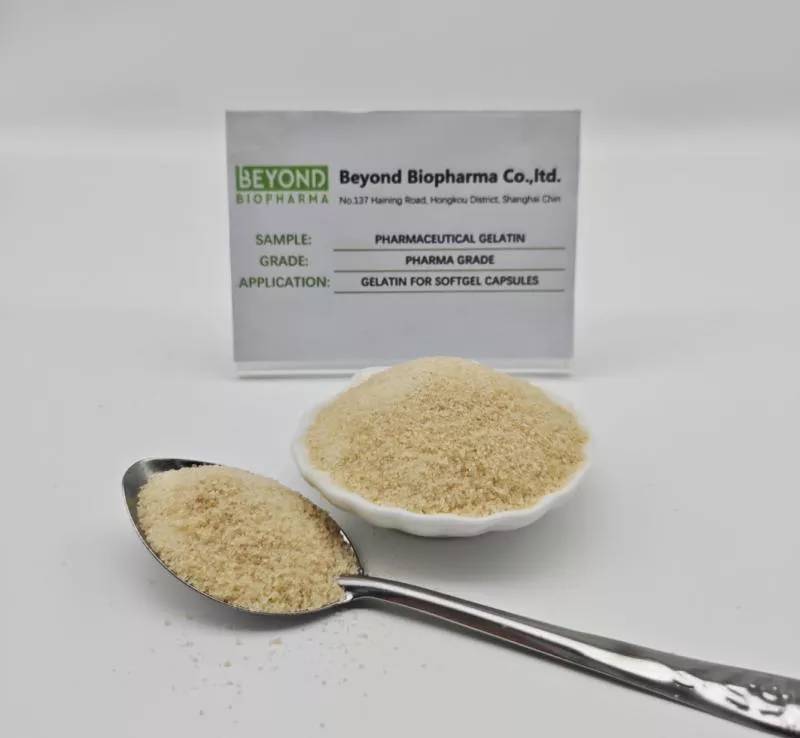
Softgel encapsulation demands a gelatin with unique physical attributes to perform optimally during the high-speed manufacturing process
Select the most popular foreign trade service products to meet your diverse needs
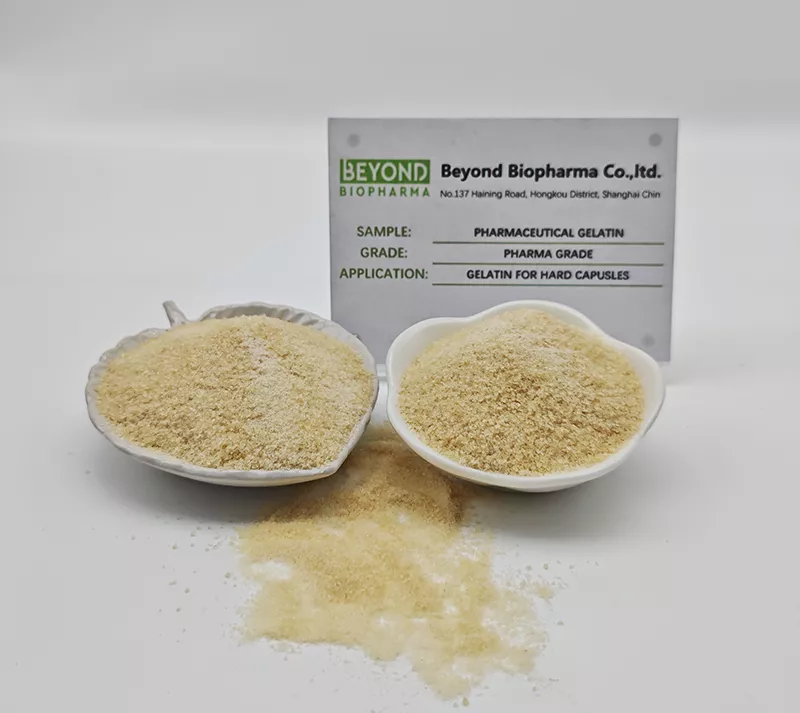
The high-strength and rapid-setting characteristics of Bovine Bone Gelatin ensure it forms a stable, uniform, and durable shell that preserves the integrity of the active pharmaceutical ingredient (API).
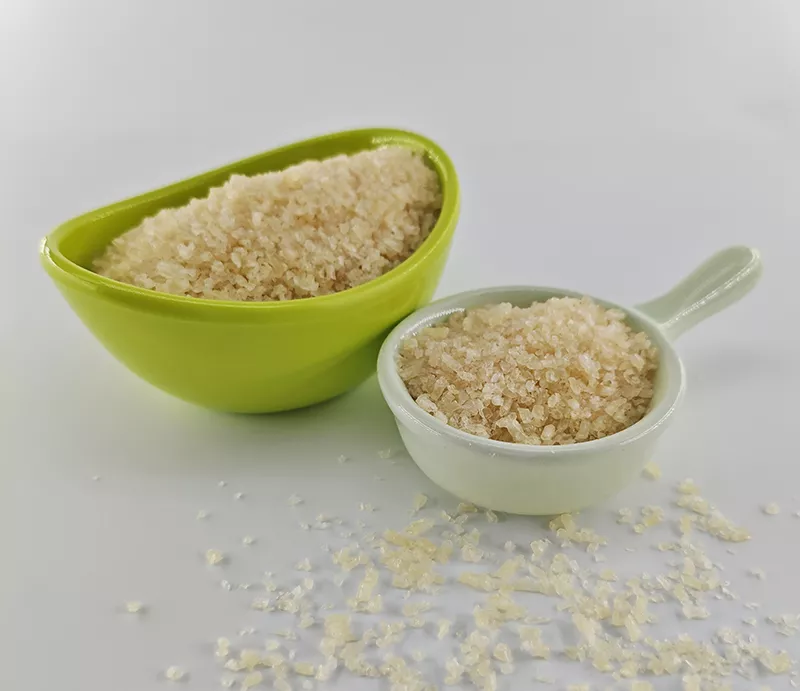
Stability, Swallowing Enhancement, and Controlled Release
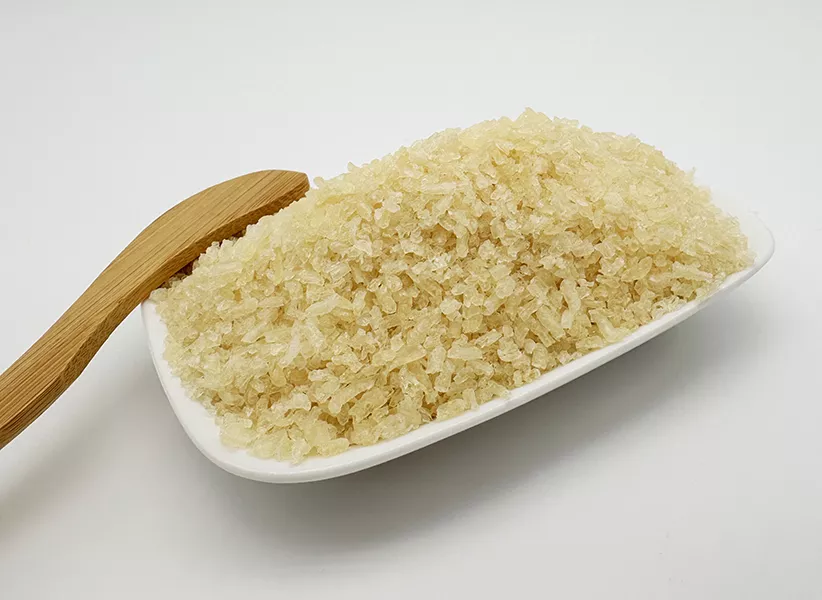
Our Bovine Hides Gelatin is engineered for versatility and compliance, ensuring performance across various applications.

+86 18657345785
NO.137 Haining Road, Hongkou District, Shanghai China





User Comments
Service Experience Sharing from Real Customers
Megan
Pastry ChefAs a professional baker, I've tried countless gelatin substitutes. Converting gelatine leaves to powder used to be a guessing game for me until I found this guide. The conversion chart is spot-on – my panna cotta now sets perfectly every single time. No more wobble disasters!
Leo
Home CookHonestly, I was skeptical. My grandma always used leaves and I messed up my first attempt with powder. This ratio guide saved my holiday cheesecake! It's not 100% foolproof (different brands vary a bit), but it got me 90% there. My family didn't notice the switch – huge win.
Chloe
Food Science StudentFor my thesis project on texture modifiers, this was a goldmine. The explanation of bloom strength differences between leaf and powder gelatin is clearer than my textbook's. I've bookmarked this and cited it in three reports already. Practical, accurate, and actually readable.
Raj
Catering ManagerWe switched to powder for cost reasons and the team was struggling. This guide gave us a reliable starting point. After some tweaks for our specific recipes, consistency improved dramatically. One star off because I wish it had more trouble-shooting tips for high-acid applications.