 English EN


Bovine gelatin pros and cons everyone should know
Bovine gelatin offers strong gelling and health benefits but has dietary, ethical, and allergen concerns. Compare bovine gelatin to other gelatin options here.
MoreGelatin films for food packaging function as innovative, eco-friendly barriers primarily derived from collagen, a protein obtained from animal by-products like skin and bones. These films operate through several key mechanisms that make them effective for food preservation. Firstly, they provide a selective barrier to gases, particularly oxygen and carbon dioxide. This controlled permeability helps in slowing down oxidation and respiratory processes in fresh produce, thereby extending shelf life. Secondly, gelatin films possess excellent moisture barrier properties in dry conditions, which is crucial for preventing food from drying out or, conversely, in high-moisture applications, they can be combined with other biopolymers to enhance resistance. A significant functional advantage of gelatin films for food packaging is their ability to act as carriers for active compounds. Antioxidants, antimicrobials, flavors, or nutrients can be incorporated directly into the film matrix, creating an active packaging system that actively interacts with the food to improve safety and quality. For instance, embedding essential oils with antimicrobial properties allows the film to inhibit surface microbial growth on meat or cheese. The film-forming process involves dissolving gelatin in water, often with the addition of plasticizers like glycerol, followed by casting and drying to form thin, flexible sheets. These resulting films are transparent, biodegradable, and generally recognized as safe (GRAS). The application of gelatin films for food packaging represents a tangible step towards reducing reliance on synthetic plastics, offering a renewable and often edible alternative for coating, wrapping, or sealing various food products.
We provide you with comprehensive foreign trade solutions to help enterprises achieve global development
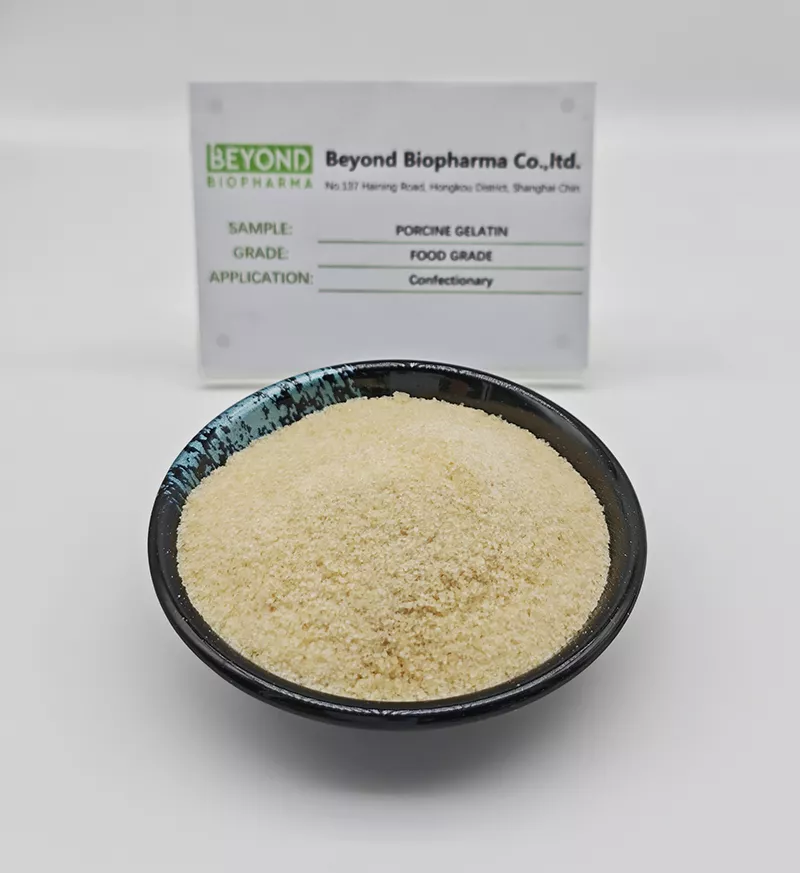
Food-grade porcine gelatin is a highly versatile and cost-effective natural protein derived from the collagen found in pig skin and bones. It is a premier gelling agent known for its exceptional clarity, neutral taste, and thermal reversibility.
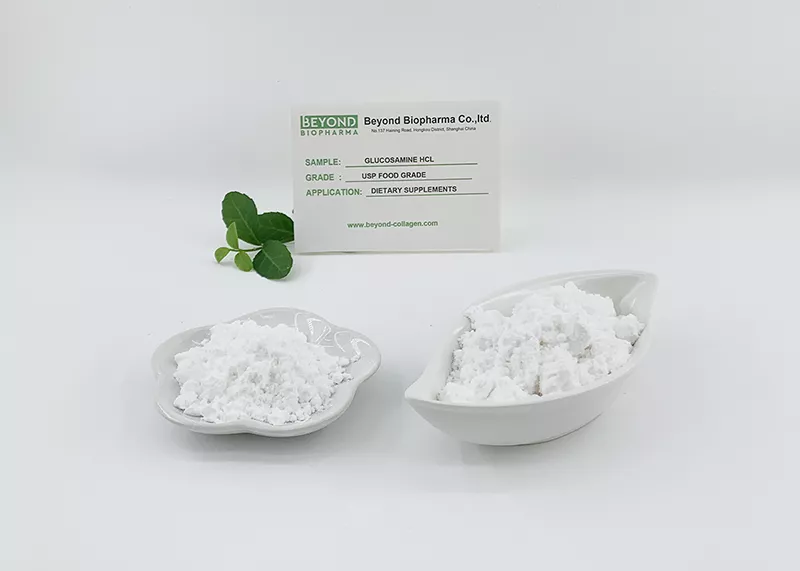
The Purest Plant-Based Joint Support Solution
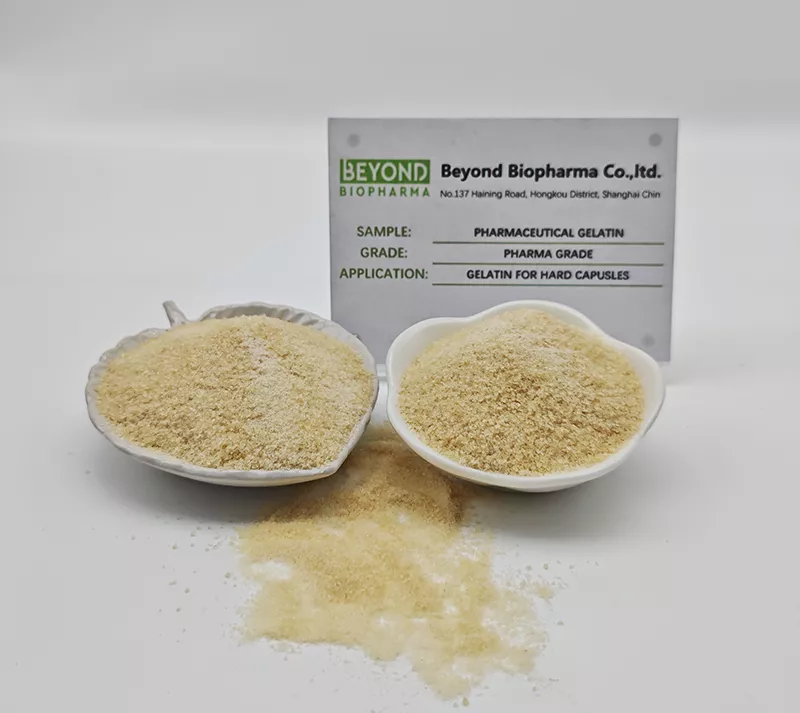
The high-strength and rapid-setting characteristics of Bovine Bone Gelatin ensure it forms a stable, uniform, and durable shell that preserves the integrity of the active pharmaceutical ingredient (API).
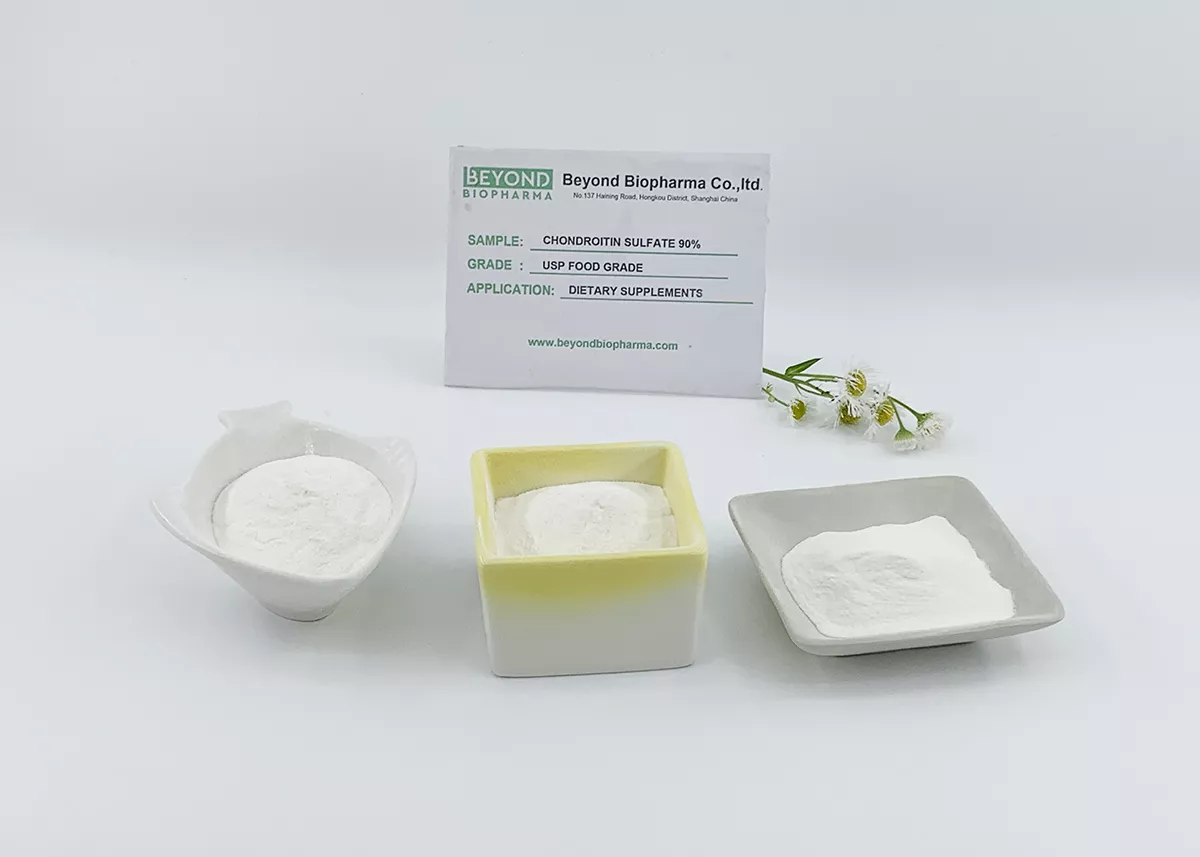
High Purity and Efficacy for Joint Health Formulations
Select the most popular foreign trade service products to meet your diverse needs
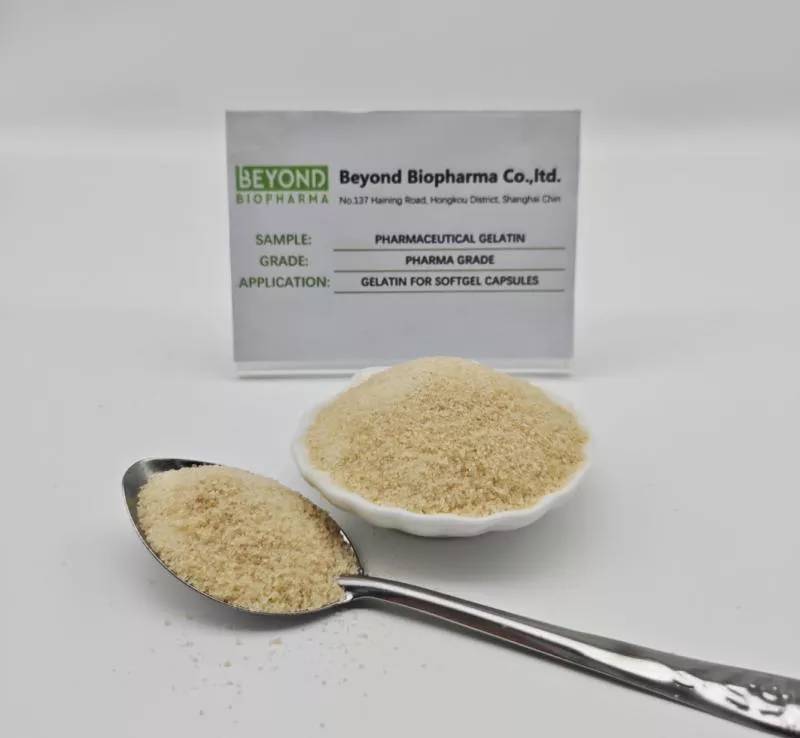
Softgel encapsulation demands a gelatin with unique physical attributes to perform optimally during the high-speed manufacturing process
The high-strength and rapid-setting characteristics of Bovine Bone Gelatin ensure it forms a stable, uniform, and durable shell that preserves the integrity of the active pharmaceutical ingredient (API).
Food-grade porcine gelatin is a highly versatile and cost-effective natural protein derived from the collagen found in pig skin and bones. It is a premier gelling agent known for its exceptional clarity, neutral taste, and thermal reversibility.

+86 18657345785
NO.137 Haining Road, Hongkou District, Shanghai China





User Comments
Service Experience Sharing from Real Customers
Megan
Head ChefSwitched to these gelatin-based films for wrapping our charcuterie boards about six months ago. Honestly, I was skeptical at first – thought they might tear easily or alter the taste. But wow, they're fantastic! The meat breathes just right, no weird condensation, and they compost in our on-site bins. My only gripe? I wish they came in larger rolls for bigger platters.
Leo
Sustainability CoordinatorAs someone who spends all day evaluating packaging life cycles, these films are a solid step forward. Used them in a pilot project for our pre-cut fruit cups. The clarity and barrier properties against oxygen were impressive for a bio-based material. Lost one star because the seal can be a bit finicky on standard equipment – needs a slight temp adjustment. Overall, our customers appreciate the eco-friendly switch.
Chloe
Farmers' Market VendorGame changer for my small-batch cheese business! I used to struggle with plastic wrap that looked cheap and didn't feel premium. These gelatin films have a beautiful, slight sheen that makes my goat cheese logs look artisan. Plus, several customers specifically mentioned they love that it's edible and derived from natural sources. A bit pricier, but the customer response makes it totally worth it.
Raj
Food Science InternStudied these films in a lab course last semester and now I'm seeing them at my internship. They're pretty cool tech – the tensile strength surprised me. We tested them for wrapping herb bundles, and they kept the basil fresh way longer than expected. Not perfect for all applications (high moisture stuff is tricky), but for dry goods and certain produce? Brilliant. Excited to see where this material goes.