 English EN


What Makes Cod Fish Gelatin Unique Compared to Beef and Pork Gelatin
Cod fish gealtin offers a neutral taste, rapid melt, and Halal/Kosher compliance, making it ideal for delicate desserts and specialty diets.
MoreA comparative overview of key nutritional attributes and wellness advantages across gelatin sources.
Cod fish gelatin provides a high protein content similar to bovine and porcine gelatins, with a distinct amino acid profile. It is particularly rich in glycine and proline, essential for collagen synthesis and connective tissue repair. Bovine gelatin offers higher hydroxyproline levels, while porcine gelatin is known for balanced amino acid ratios. Each source supports muscle maintenance and joint health differently.
Learn more about fish collagen peptidesCod fish gelatin is known for its lower molecular weight peptides, which may enhance digestibility and absorption compared to bovine and porcine gelatins. This makes it a preferred choice for individuals with sensitive digestive systems or those seeking faster nutrient uptake. Bovine gelatin is slightly heavier, while porcine gelatin falls in between in terms of bioavailability.
Explore hydrolyzed collagen optionsCod fish gelatin is rich in type I collagen, supporting skin elasticity and hydration, with added omega-3 fatty acids from marine sources that promote anti-inflammatory effects. Bovine gelatin provides type I and III collagen for joint and bone health, while porcine gelatin is often used for cartilage support. All three contribute to improved skin appearance and mobility.
View undenatured collagen for joint comfortCod fish gelatin is suitable for pescatarian diets and avoids common mammalian allergens, though it is not vegan. Bovine and porcine gelatins are not suitable for those avoiding animal-derived products. Cod fish gelatin is also lower in purines, making it a better option for individuals concerned with uric acid levels.
Check vegan alternatives like glucosamineCod fish gelatin typically has a lower bloom strength (150-200) compared to bovine (200-250) and porcine (250-300) gelatins, resulting in softer gels ideal for delicate desserts and mousses. Bovine gelatin provides firm, clear gels for confectionery, while porcine gelatin offers high clarity and strength for gummy candies. Cod fish gelatin also sets at lower temperatures, reducing heat exposure for nutrient preservation.
Discover standardized gelatin sheetsCod fish gelatin is acceptable in most religious dietary laws, including halal and kosher, when sourced appropriately. Bovine gelatin can be halal or kosher certified, while porcine gelatin is avoided in many religious practices. Cod fish gelatin also poses lower risk of bovine spongiform encephalopathy (BSE) transmission, offering a safety advantage for health-conscious consumers.
See BSE-free bovine gelatin optionsUnderstanding gel strength and bloom value is essential for selecting the right gelatin. Cod fish gelatin typically exhibits a bloom value between 200 and 250, offering a firm yet elastic texture ideal for delicate desserts and savory gels.

Compared to bovine gelatin (typically 250–300 bloom), cod gelatin provides a softer set, making it preferable for mousses and panna cotta where a delicate mouthfeel is desired. Pork gelatin often ranges 200–280 bloom, similar to cod but with different setting times.
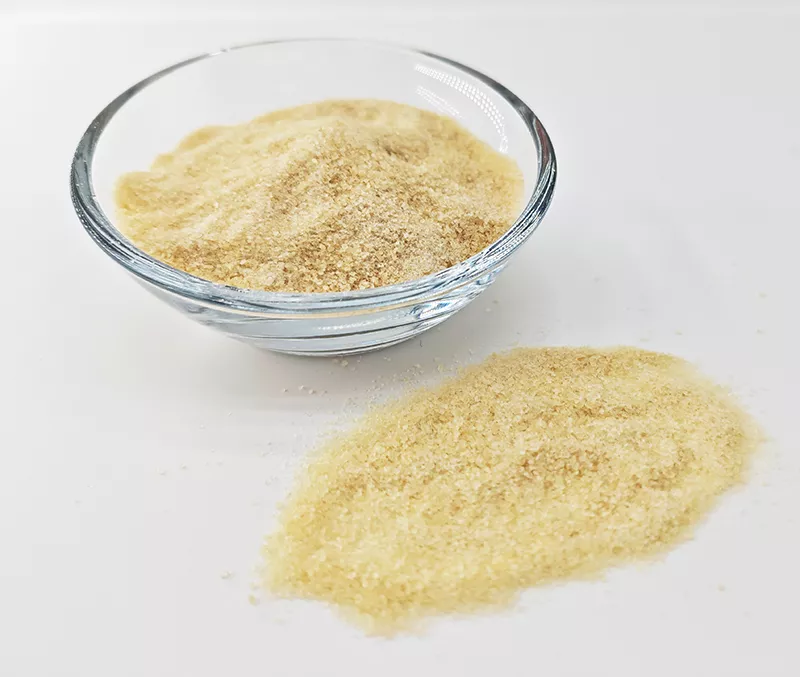
In cooking applications, cod gelatin dissolves at lower temperatures (around 35–40°C), preserving flavor integrity. Its texture remains stable in acidic environments, outperforming mammalian gelatins in fruit-based recipes.
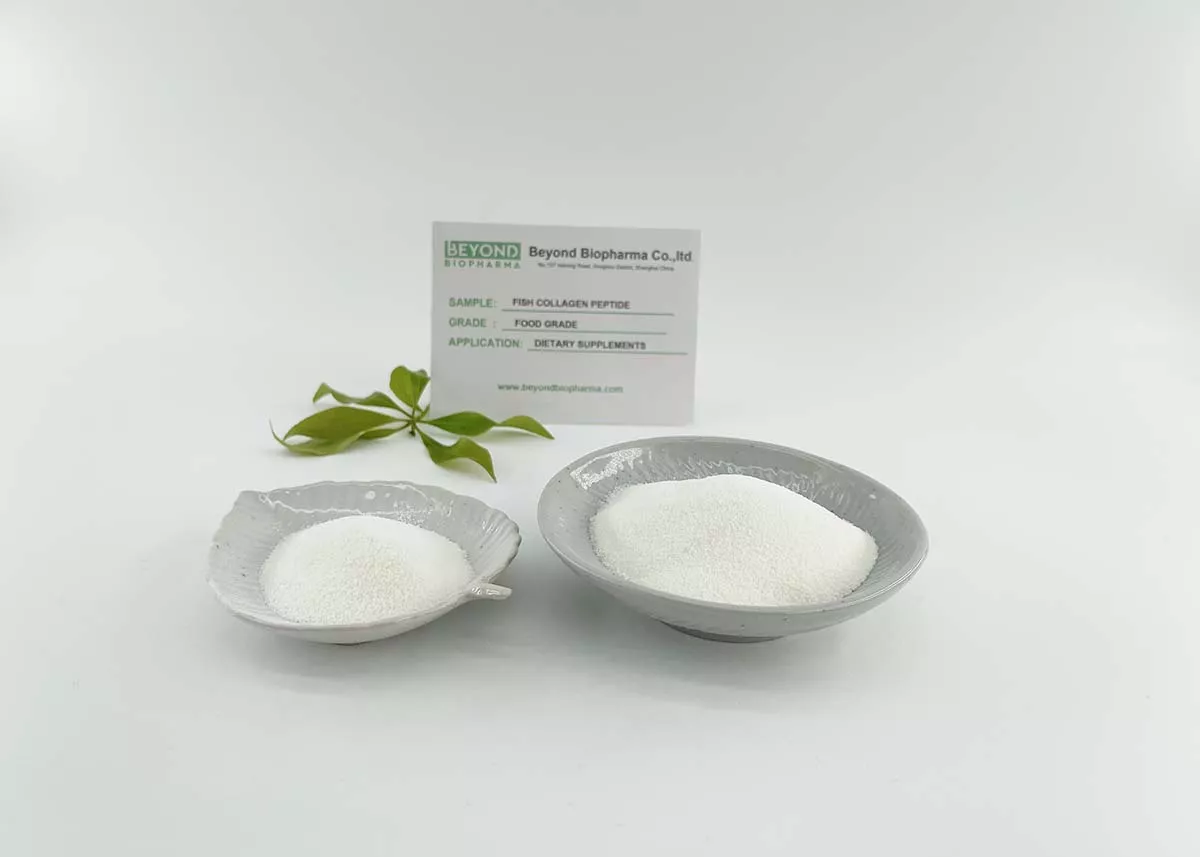
For professional chefs, the choice depends on desired texture: cod gelatin yields a clean, quick melt-in-the-mouth experience, while higher-bloom gelatins provide firmer structures for terrines and aspics. Learn more about bloom values.
Cod fish gelatin exhibits distinct physical properties that influence its performance in various culinary applications. The table below summarizes key differences compared to traditional bovine and porcine gelatins.
| Property | Cod Fish Gelatin | Bovine Gelatin | Porcine Gelatin |
|---|---|---|---|
| Solubility (Cold Water) | High – dissolves readily below 20°C | Low – requires warm water (>40°C) | Low – requires warm water (>40°C) |
| Melting Point (Gel) | Low – melts at 22–25°C | High – melts at 32–35°C | High – melts at 30–34°C |
| Stability (Acidic Dishes) | Moderate – weakens in pH | Good – stable down to pH 3.5 | Good – stable down to pH 3.5 |
| Stability (High Heat) | Low – degrades above 50°C | High – withstands up to 80°C | High – withstands up to 80°C |
Cod fish gelatin offers unique advantages in cold-set preparations and low-temperature desserts due to its high cold-water solubility and low melting point. However, its reduced stability in acidic environments and under prolonged heat makes it less suitable for traditional hot-served gel dishes or high-acid culinary applications. For standardized gelatin sheets used in precise gel preparations, standardized gelatin sheets provide consistent results. In contrast, bovine and porcine gelatins remain the preferred choice for recipes requiring thermal resilience and pH tolerance.
When selecting a gelatin for a specific culinary environment, consider the balance between solubility convenience and structural integrity. For applications such as fruit-based gummies or yogurt toppings where acidity is moderate, cod gelatin can perform well. For more demanding settings like hot broths or firm jelly molds, edible bovine gelatin offers superior stability.
Cod fish gelatin presents a distinct profile when evaluated for allergenicity and dietary compatibility, particularly for individuals with specific health concerns or lifestyle choices. Unlike mammalian-derived gelatins, cod fish gelatin is free from bovine and porcine proteins, making it a safer option for those with sensitivities to red meat or pork products. However, it is not suitable for individuals with fish allergies, as it contains proteins derived from marine sources.
In terms of dietary restrictions, cod fish gelatin is generally acceptable for most religious dietary laws, including Halal and Kosher practices, provided it is sourced and processed according to those standards. It does not conflict with Hindu or Buddhist vegetarian guidelines that prohibit beef or pork, though it is not plant-based. For those following a pescatarian diet, cod fish gelatin aligns well, as it is derived from fish rather than land animals.
Regarding suitability for special diets, cod fish gelatin is often preferred in gluten-free, dairy-free, and paleo diets due to its natural composition and lack of common allergens. It is also frequently used in keto and low-carb meal plans, as it contains no sugars or carbohydrates. Nevertheless, it is not suitable for vegan or vegetarian diets, as it is an animal product. For those requiring strict allergen control, always verify sourcing and processing to avoid cross-contamination.
Related resources for dietary and allergen considerations:
Cod fish gelatin is derived from the skin and bones of cod, a byproduct of the fishing industry. This process reduces waste and utilizes resources that would otherwise be discarded, contributing to a more circular economy. Compared to bovine or porcine gelatin, cod gelatin production often requires less land and freshwater, and generates lower greenhouse gas emissions per unit of protein produced.
However, sustainability depends heavily on fishing practices. Overfishing of cod stocks in certain regions raises ethical concerns about biodiversity and marine ecosystem health. Responsible sourcing from certified sustainable fisheries is essential to mitigate these impacts. Consumers and manufacturers are encouraged to look for certifications such as MSC (Marine Stewardship Council) when selecting cod gelatin.
Ethical considerations also extend to animal welfare and labor conditions. Cod gelatin production does not involve the raising and slaughtering of animals solely for gelatin, as it uses byproducts, which aligns with ethical principles of reducing animal suffering. However, the overall ethics of the fishing industry—including bycatch, habitat damage, and fair labor—must be addressed. Transparent supply chains and third-party audits help ensure that cod gelatin is produced responsibly.
For those seeking alternatives, plant-based gelatins (such as agar-agar or pectin) offer vegan options but may not replicate the same functional properties. Cod gelatin remains a strong choice for health-conscious consumers who prioritize both environmental sustainability and ethical sourcing, provided they verify the origin and certifications of the product.
Cod fish gelatin offers a comparable amino acid profile to bovine and porcine gelatins, with high glycine and proline content. It is naturally free from mammalian prions and is often considered a cleaner source for those seeking marine-derived collagen. Its lower fat content and absence of mammalian contaminants make it a preferred choice for specific health regimens, including joint support and skin elasticity.
Cod gelatin typically exhibits a lower bloom value (150–200) compared to bovine (200–250) and porcine (250–300) gelatins, resulting in a softer, more delicate gel. This makes it ideal for light desserts, mousses, and dishes requiring a tender set rather than a firm, chewy texture. Its unique mouthfeel is prized in high-end culinary applications where a subtle melt is desired.
Fish gelatin dissolves readily in warm liquids (above 40°C) and has a lower melting point (25–28°C) than mammalian gelatins, which melt around 30–35°C. This property is advantageous for cold preparations and ensures a clean, fast release of flavors. Its stability in acidic environments is slightly reduced, requiring careful pH management in fruit-based or acidic recipes.
Cod fish gelatin is unsuitable for individuals with fish allergies but is accepted in halal and kosher diets (provided the fish is processed per guidelines). It is also favored by those avoiding pork or beef products for religious or ethical reasons. Additionally, it is generally recognized as safe (GRAS) and free from bovine spongiform encephalopathy (BSE) concerns.
Wild-caught cod gelatin production utilizes fish skins that would otherwise be discarded, supporting a circular economy. However, overfishing concerns and ecosystem impacts must be weighed. Farmed cod alternatives and certified sustainable fisheries (e.g., MSC) offer more responsible choices. Compared to bovine gelatin, cod gelatin has a lower land and water footprint, making it a potentially more eco-friendly option when sourced responsibly.
Overall assessment: Cod fish gelatin stands out for its mild flavor, soft gel texture, and suitability for special diets, though its lower bloom value and melting point require adaptation in some recipes. Its environmental impact depends heavily on fishing practices, but it remains a compelling alternative to mammalian gelatins for both health-conscious consumers and culinary professionals.
We provide you with comprehensive foreign trade solutions to help enterprises achieve global development

The High-Performance Barrier for Core Material Protection and Controlled Release.
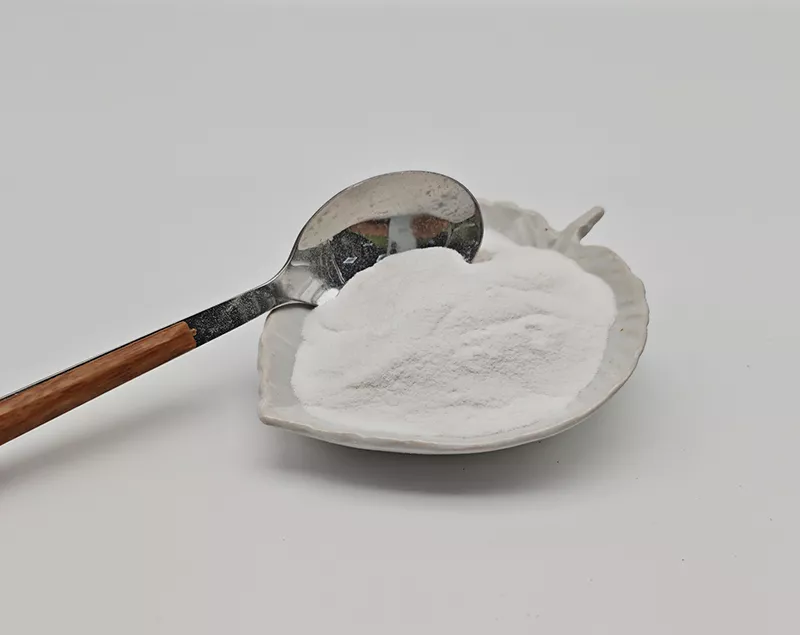
Fish Gelatin for foods is increasingly recognized as the premium alternative to traditional mammalian sources, meeting the growing global demand for clean-label ingredients that align with diverse dietary and religious requirements. Derived from the skin and scales of fish like cod and tilapia, fish gelatin offers unique functional benefits that make it an exceptional gelling, stabilizing, and texturizing agent.
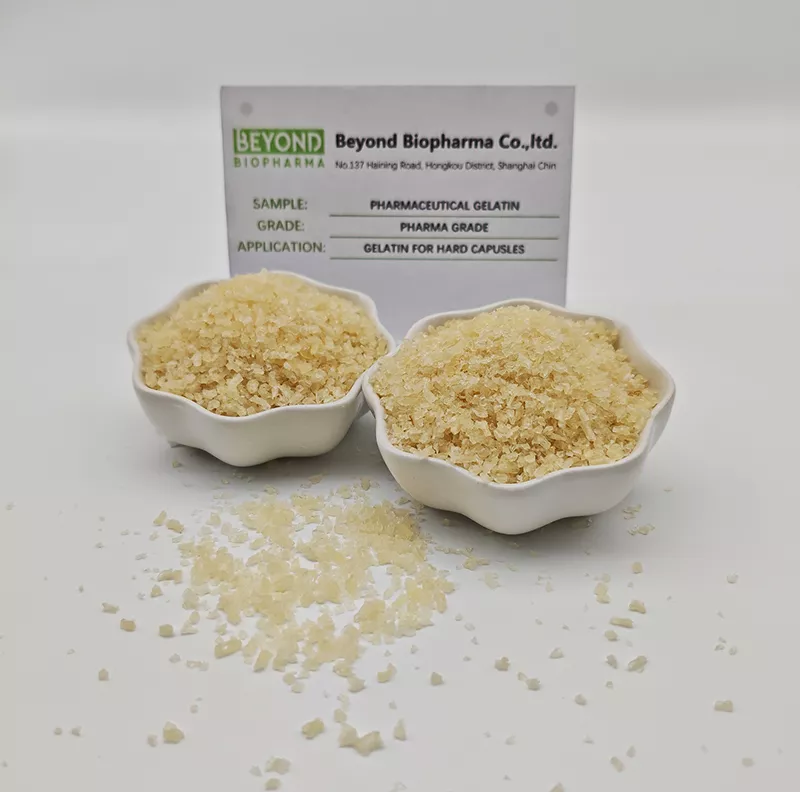
Precision, Purity, and Optimal Machinability
Our Gelatin Sheets are produced to precise standards, ensuring consistency and reliability across different Bloom grades (Silver being the most common professional choice).

+86 18657345785
NO.137 Haining Road, Hongkou District, Shanghai China




